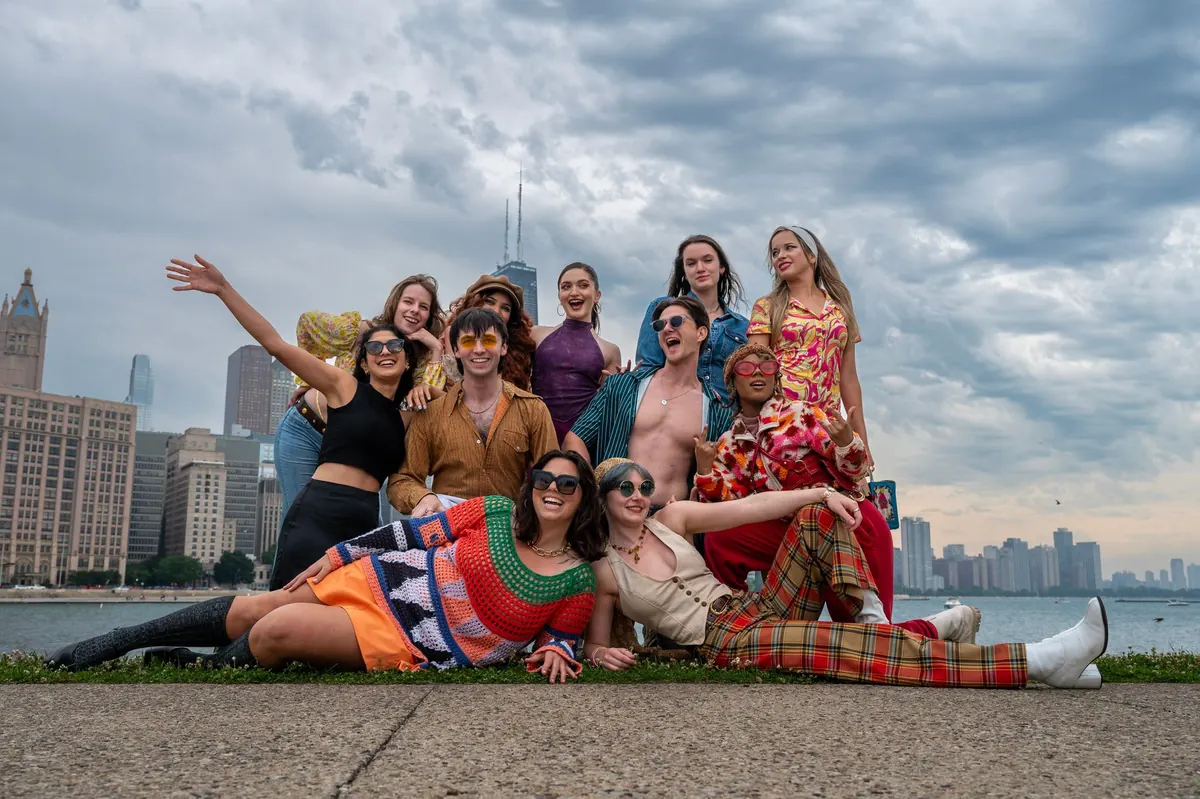
Beginner's Guide to Building a 1970s Retro Outfit
The 1970s is a generous decade to dress from. It runs from flowing, folk-tinged maxi dresses and cheesecloth shirts, through wide lapels and dagger collars, to the satin and platforms of disco. That range is good news for anyone building a retro wardrobe, because you can pick one look and commit to it instead of dressing as "the seventies" in general. The trick is restraint. Choose a year, choose a mood, and let the silhouette carry the outfit.
Pick a Year, Not a Whole Decade
Before you buy anything, decide which seventies you mean.
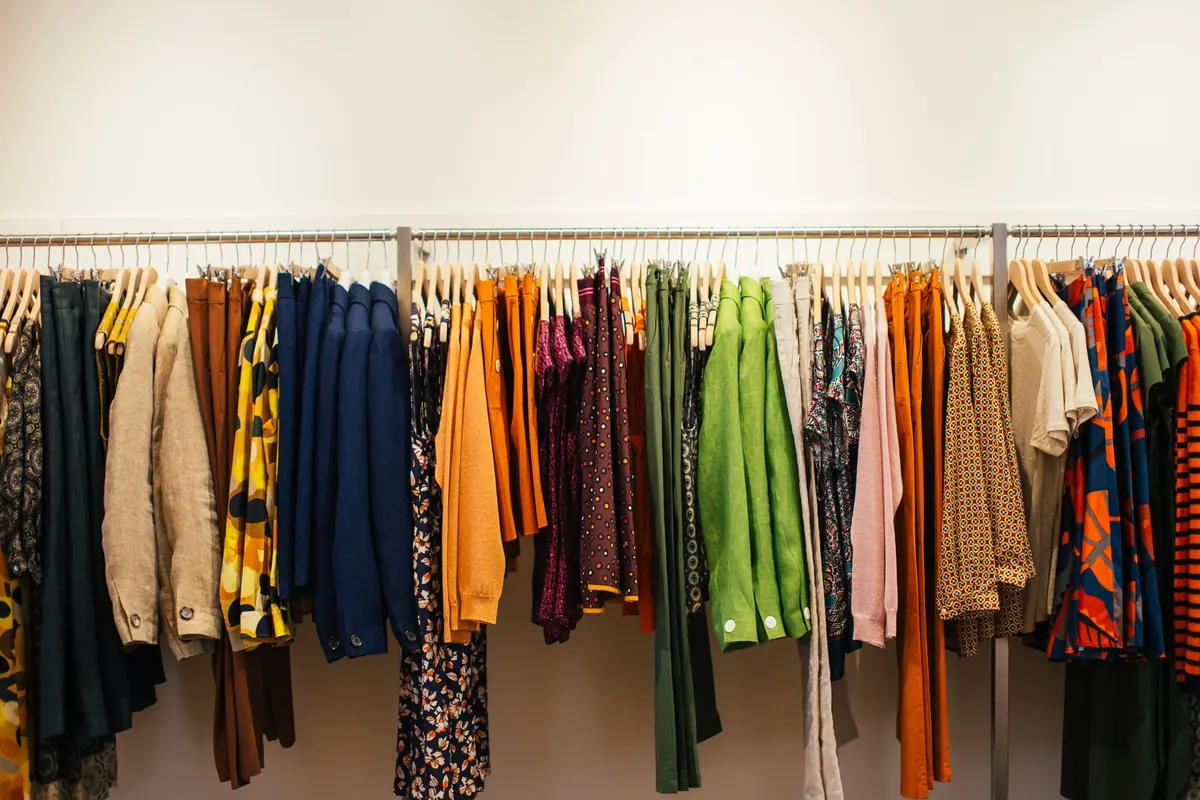
Early seventies is earthy and folk-influenced: maxi skirts, kaftans, crochet, cheesecloth, long scarves, suede, big floppy hats and platform boots. Warm browns, cream, mustard and olive dominate.
Mid-seventies is sharper: wide lapels, dagger collars, trouser suits, safari jackets, A-line midi skirts, high-waisted flares and knitwear in rust or teal. This is the look most people picture when they say "1970s".
Late seventies is glossier: wrap dresses, jumpsuits, satin shirts, pencil skirts, halter necks, gold jewellery and high heels — with punk running alongside it in black, tartan and safety pins.
Pick one of those lanes and stay in it. A prairie dress with disco hair and platforms will read as fancy dress rather than a period outfit.
Start With the Base: Trousers, Skirts and Dresses
Almost every convincing seventies outfit is built on one strong base piece, and it should be high-waisted and generous in the leg or the hem.
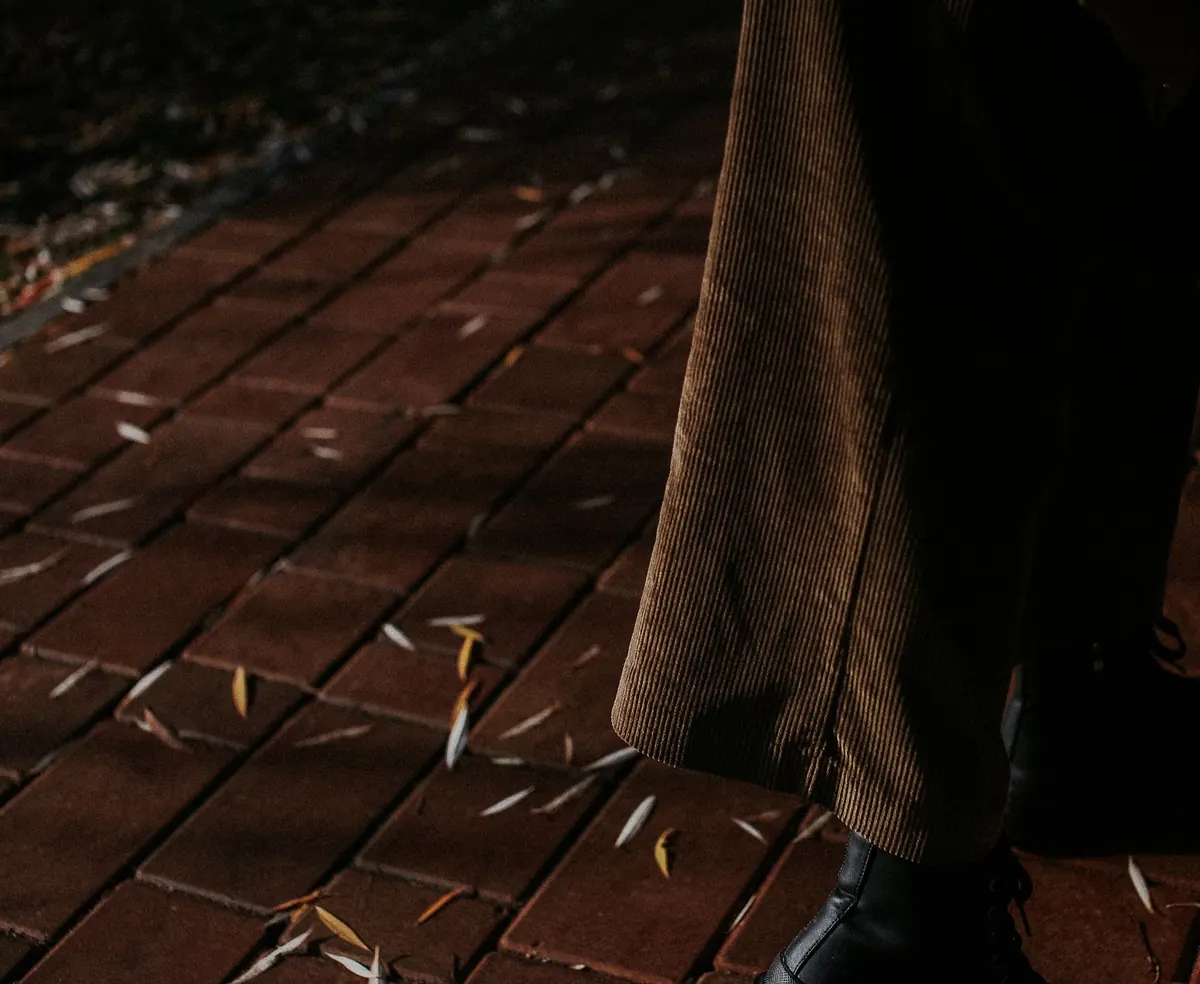
- Flared or wide-leg trousers in denim, corduroy or wool. They should break over the shoe, not stop at the ankle.
- High-waisted jeans with a proper flare. Modern versions often sit lower on the hip, so a wide belt helps bridge the gap.
- A-line midi skirts in wool, tweed or a small print, worn with a tucked-in knit.
- Wrap skirts and button-through skirts with a below-the-knee hem.
- A prairie or tea dress with a high neck, long sleeves and a full skirt.
- A kaftan or tunic for the warmer, folkier end of the decade.
Fit matters more than labels. If trousers pull across the thigh, or a skirt sits on your natural waist rather than above it, the era disappears. A tailor can take in a waistband or shorten a hem for very little.
Tops and Knits That Do the Heavy Lifting
Upper halves in the seventies were collared, bow-tied or high-necked. Look for pussy-bow blouses in crepe or silky polyester, dagger-collar shirts with long, sharp collar points, printed shirts in geometric or floral patterns, and roll necks in fine knits. Cropped cardigans, sleeveless tank tops and long-line tunics all work over a high waistband.
Fabric is the giveaway. Crimplene, polyester crepe, cheesecloth, acrylic knits and brushed cotton all feel right; crisp modern poplin and technical sportswear fabrics do not. Tuck everything in — an untucked shirt over wide trousers shortens the leg line and flattens the silhouette.
Layer It: Jackets, Coats and Waistcoats
Layering is where a seventies outfit starts to look styled rather than assembled. A cropped suede or faux-suede jacket over flared trousers is the easiest combination there is. From there, try a longline wool coat in camel or chocolate, a shearling or faux-shearling jacket, a bomber, a trench with a wide collar, a knitted waistcoat or a gilet. Capes and ponchos belong to the earlier, folkier years.
Keep the layer short if the trousers are wide, and long if the skirt is narrow. Proportion is doing the work here, not the label inside the collar.
Accessories, Shoes and Finishing Touches
Two or three accessories is usually enough. Any more and the outfit tips into costume.
- Jewellery: gold hoop earrings, a long pendant on a fine chain, chunky rings, a choker.
- Headwear: a wide-brim floppy hat, a baker boy cap, or a silk scarf tied at the neck or over the hair.
- Bags: suede shoulder bags, tapestry or embroidered bags, a slim clutch.
- Sunglasses: oversized aviators or round frames with tinted lenses.
- Belts: wide leather with a big buckle, worn at the high waist.
Shoes finish the look. Platform sandals, clogs, wedges, Chelsea boots, knee-high boots and desert boots all fit the decade. Avoid slim, low-profile modern trainers — they pull the eye straight to the wrong era.
Then the head and face. A centre parting with feathered layers, long straight hair or soft curls reads seventies immediately, and a scarf or hat does the same job in seconds. Makeup of the period was matte and earthy: terracotta, brown and brick tones on eyes and lips, with soft blushed cheeks. Keep it gentle rather than graphic.
Five Mistakes That Break the Illusion
- Mixing eras — disco satin with a prairie dress.
- Wearing everything at once: flares, poncho, floppy hat, platforms.
- Ignoring fit: too tight, too short, or a waistband sitting too low.
- Modern footwear, especially sporty trainers and thin-soled shoes.
- Shiny, cheap-looking fabric in large amounts. One polyester blouse is fine; a whole outfit in it looks like a costume.
Putting Your First Outfit Together
Work in this order and you will not go far wrong:
- Choose your year, then two or three colours.
- Pick one base piece: flared trousers, an A-line midi skirt or a prairie dress.
- Add a top in an era-appropriate fabric and tuck it in.
- Layer one jacket or waistcoat over the top.
- Add two accessories — earrings and a scarf, say — then stop.
- Finish with the right shoes, then sort out your hair.
Wear it somewhere ordinary before you buy anything else. A look that survives a supermarket queue and a bus ride is a look that works, and you will quickly notice which pieces feel like you and which feel borrowed. Build slowly from there: a second pair of trousers, a better belt, a proper hat. Charity shops, vintage fairs, online resale and your own wardrobe are all fair game, and the best seventies pieces are usually the ones that have already been worn in.
Photo: Mahesh Mohan / Pexels

You Might Also Like
From Gloucester Road's charity-shop trail to Sunday swaps in Southville, here's how to hunt, repair and trade retro fashion finds across Bristol.
A practical guide to the vintage cues — silhouette, fabric, colour and accessories — that make an outfit read retro rather than fancy dress, plus how to style them for everyday wear.